
Dr. Esther Muchemi
Chairperson, Multi-Stakeholder Group Kenya
“We did not come to protest or cast blame. We came together in honesty, humility, and prayerful reflection to confront these hard realities and seek genuine solutions.”
Multi-Stakeholder Group Kenya
Kenya’s most diverse coalition of sector leaders, united to drive constructive dialogue, promote accountability, and deliver practical solutions.
0
Policy Themes Addressed
0
Sector Leaders
0
National Memorandum
ABOUT THE GROUP
We are the Multi-Stakeholder Group Kenya, operating under the banner of #KusemaNaKutenda, Speak and Act. We are an independent, non-partisan platform that brings together diverse voices from the private sector, faith communities, youth, professionals, and ordinary citizens to drive constructive dialogue, promote accountability, and deliver practical solutions to Kenya’s most pressing challenges.
Independent. Non-partisan. Accountable to the people of Kenya.
OUR VISION
Values-based leadership in every sector.
Shared prosperity for every Kenyan.
Accountable governance at every level.
OUR MISSION
To convene Kenya’s most committed leaders across faith, business, government, youth, and the professions and to channel their collective influence toward governance that works, an economy that includes everyone, and a nation whose best days are still ahead.
OUR THREE PILLARS
We create structured, neutral spaces where Kenya's most pressing challenges are confronted with honesty, data, and respect, not political theatre.
We build bridges between government, the private sector, faith communities, youth, and civil society. Real change requires all of us at the table.
We measure our success not by the quality of our conversations, but by the concrete policy changes and national reforms they produce.
PURPOSE
Confront the hard truths facing our economy with honesty and data, not political rhetoric.
Create a neutral space for open and respectful conversation among all sectors and communities of Kenya.
Develop practical, implementable recommendations that can guide policy and action, regardless of which government is in office.
Lay the foundation for ongoing collaboration between government, private sector, faith leaders, youth, and citizens in the shared interest of Kenya's future.
OUR ORIGIN
The Multi-Stakeholder Group Kenya was founded following a landmark national dialogue held on 22nd May 2026 at Kempinski Villa Rosa, Nairobi, bringing together the private sector, faith leaders, youth, professionals, and policy experts to commit to lasting, structured collaboration.
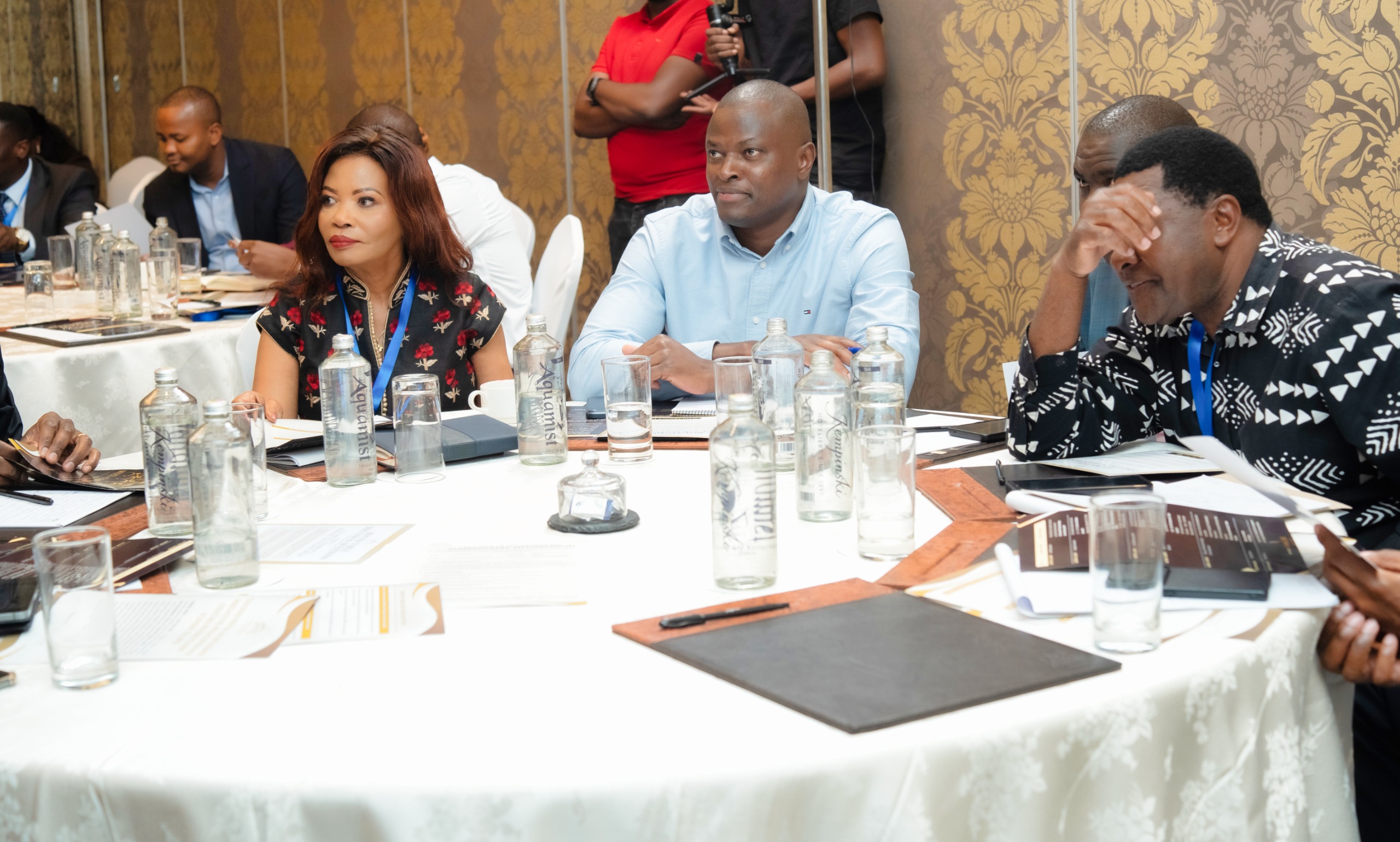
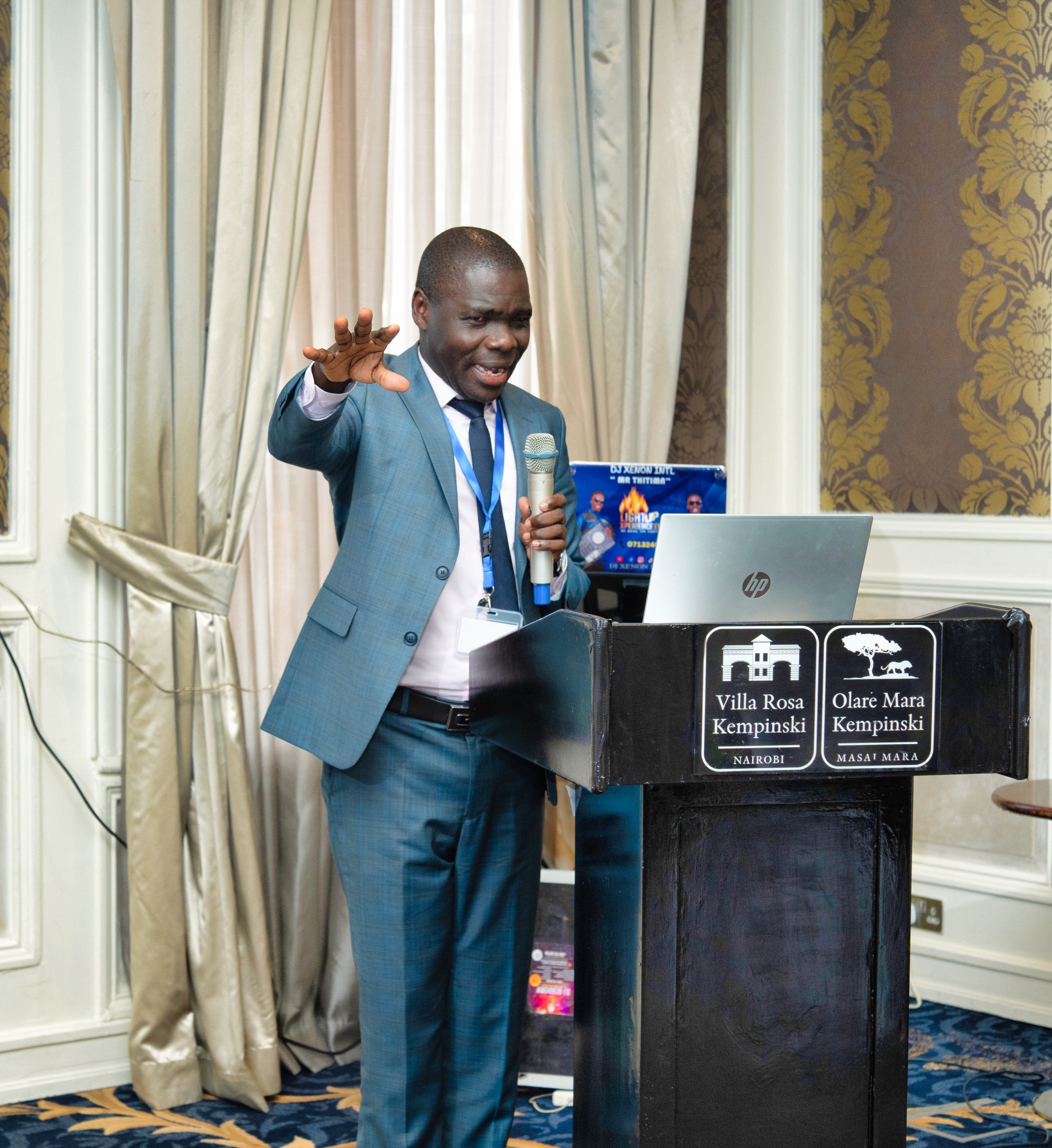
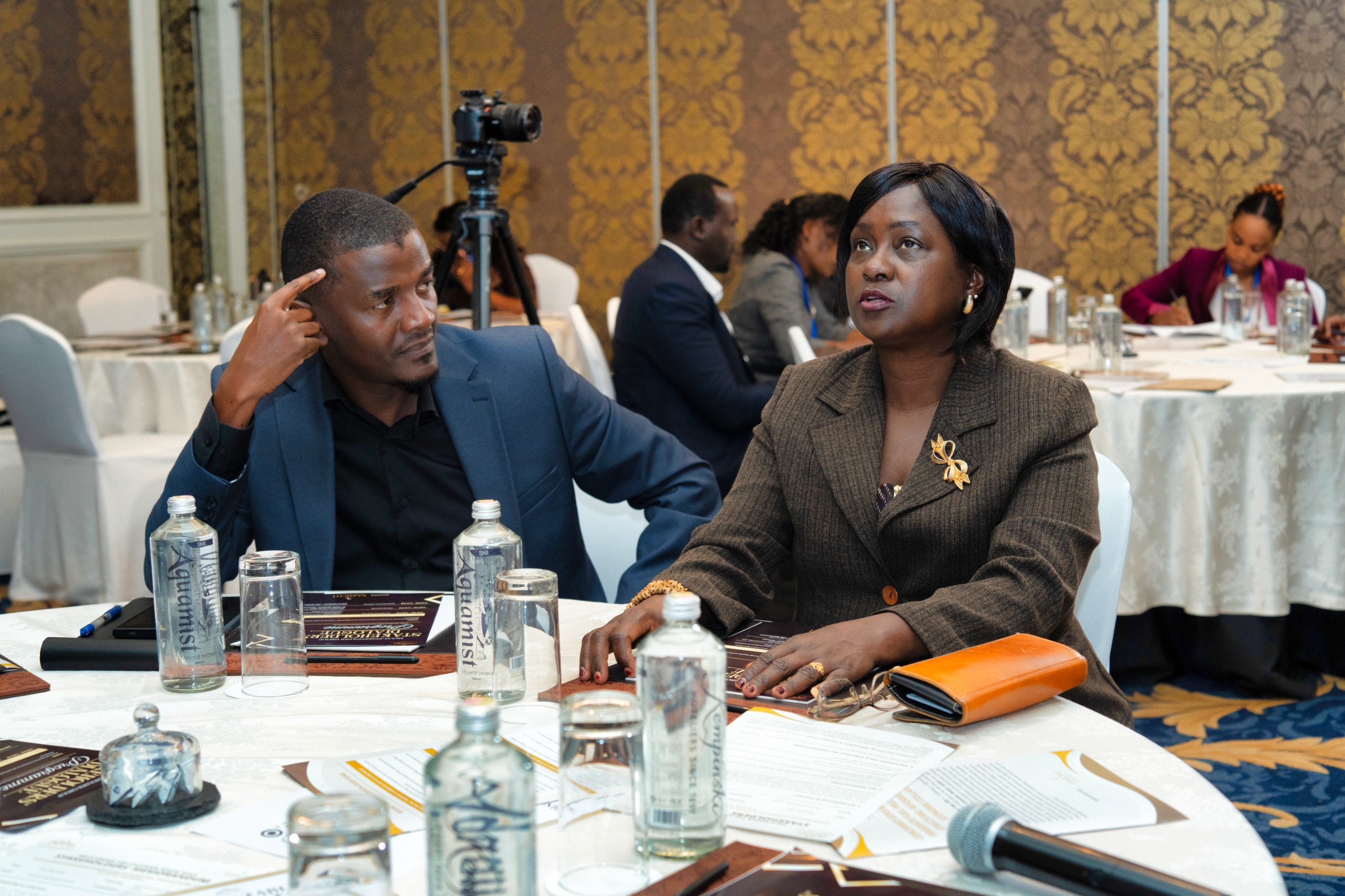
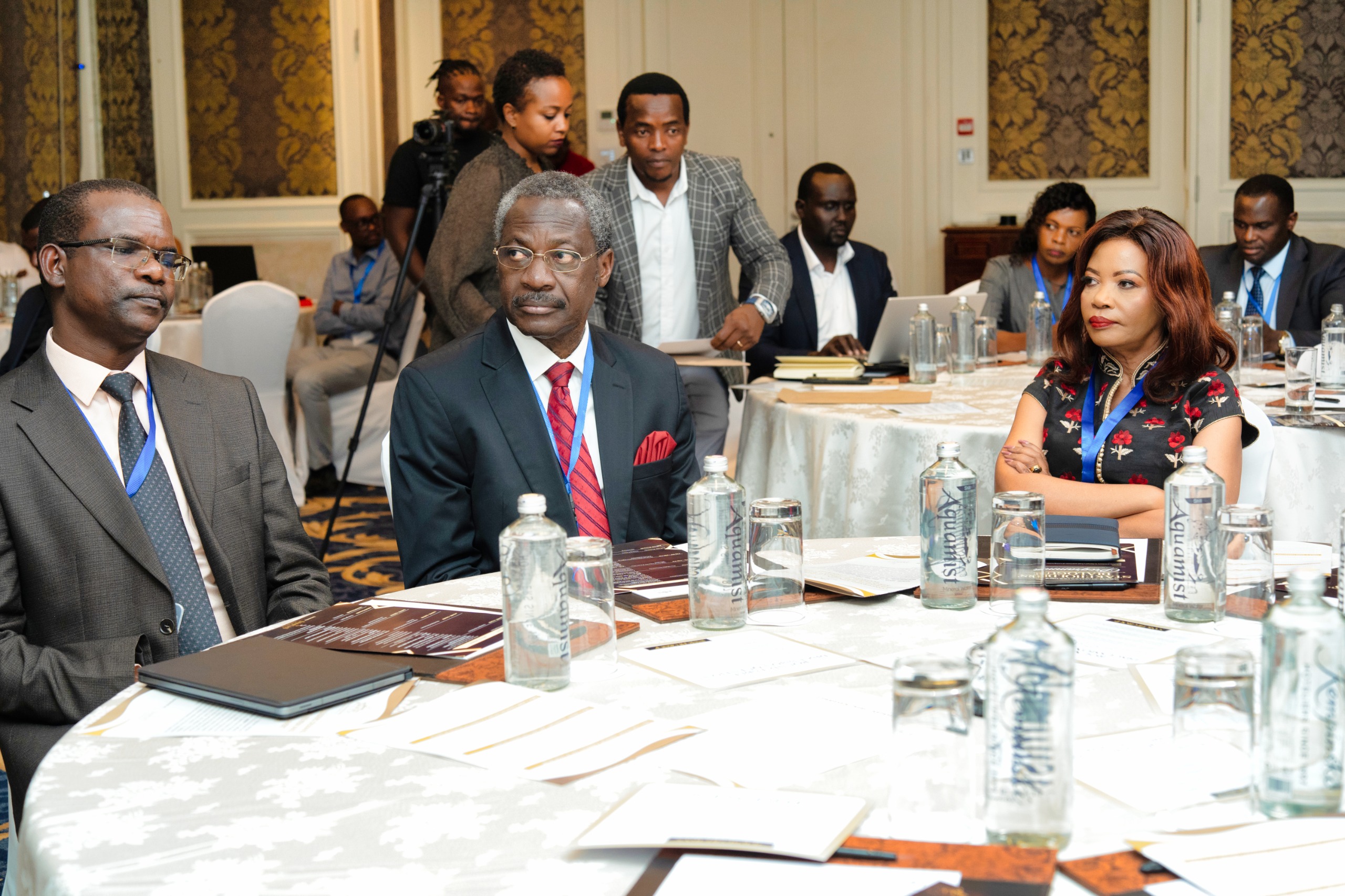
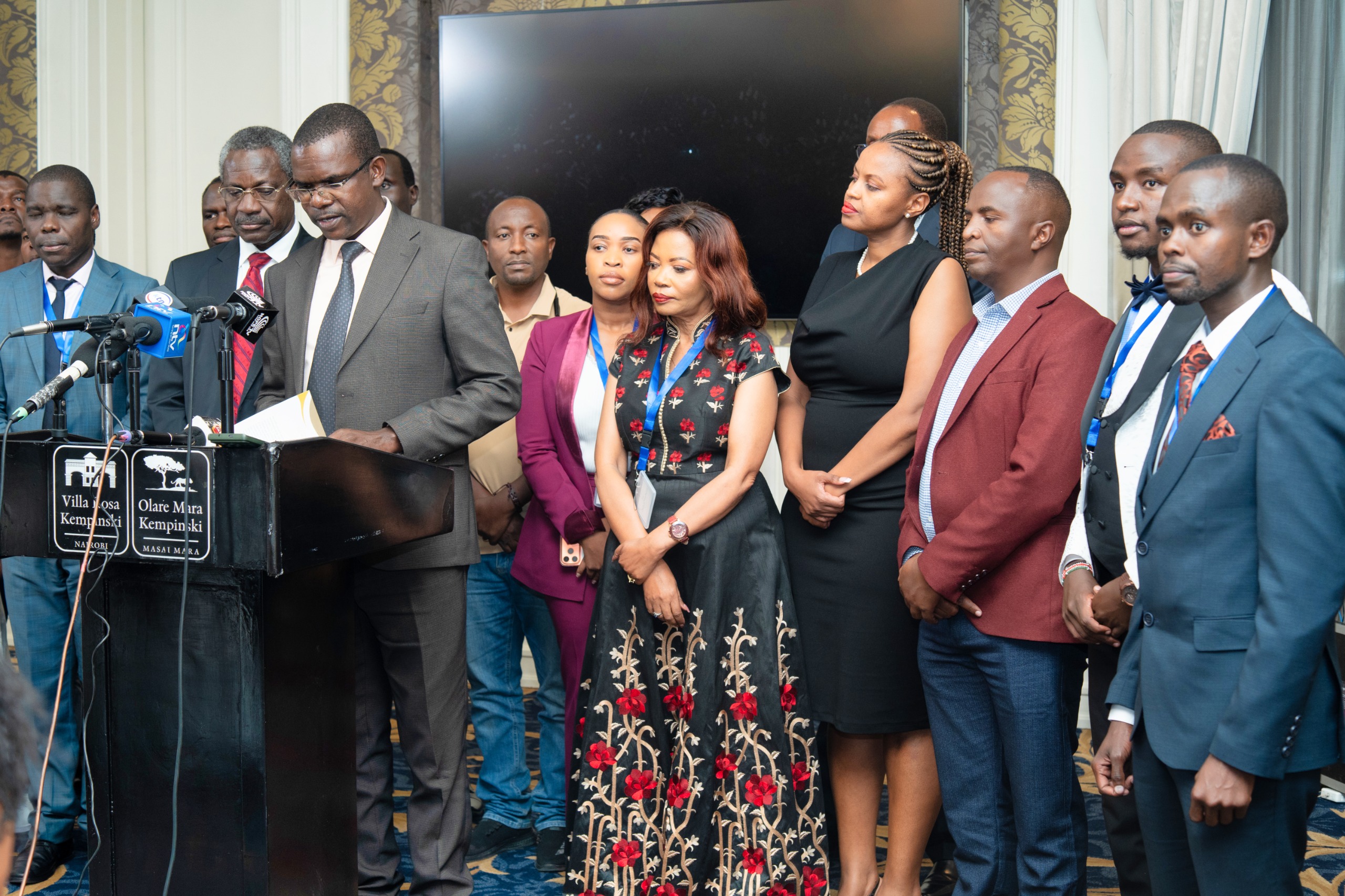
Delegates from the private sector, faith community, and youth
We do not represent any political party or government entity. We represent Kenya.
THE STAKEHOLDERS’ MEMORANDUM
The Stakeholders’ Memorandum presents verified data, international case studies, and concrete policy recommendations across twelve critical areas. These are actionable interventions with defined timelines, responsible actors, and measurable targets.
Ksh 12.4 Trillion
Kenya's public debt as at January 2026
Kenya's debt now represents 67.6% of GDP, above the 55% ceiling Parliament itself legislated. Debt servicing consumes 67.1% of actual revenues collected. The government spends Ksh 4.71 billion every single day repaying debt.
Rwanda: 88.2% of external debt kept in concessional form at under 2% interest. Long-term fiscal discipline as the model.
Ksh 2.29 Trillion
Net commercial bank credit to government (Dec 2025)
Kenya's banks lend to government instead of citizens. Interest income from government securities rose 17.87% to Ksh 110.37B in just six months. The private sector is starved while banks earn risk-free returns. NPLs hit 17.6% in August 2025.
India: Priority sector lending mandates direct 40% of bank credit to productive local sectors.
Ksh 4 Trillion
Estimated MSME financing gap in Kenya
Only 16% of MSMEs have access to formal credit. Collateral requirements shut out the majority of small business owners. Cash-flow based lending is virtually non-existent. MSMEs employ the majority of Kenyans yet remain economically excluded.
Malaysia: Streamlined business registration linked to tax incentives and guaranteed credit access.
Ksh 524.84B
Verified government pending bills (June 2025)
State corporations account for 77% of pending bills. Contractors who have delivered goods and services cannot repay bank loans. This is a direct driver of Kenya's non-performing loan crisis. The bills have been verified, they simply have not been paid.
Brazil: Fiscal Responsibility Law imposes automatic interest penalties on any delayed public payments.
0.8% of GDP
Kenya's R&D spending, far below peers
Kenya produces graduates for an economy that no longer exists. R&D investment is critically low. AI readiness is near-zero in the public school curriculum. Youth graduate into a digital economy without digital skills. The skills mismatch is structural, not cyclical.
Singapore: Mandatory AI education from primary school. SkillsFuture lifelong credit system for continuous upskilling.
12.5% of GDP
Kenya's domestic savings rate, critically low
Informal pension coverage sits below 2.5% of the working population. Kenyans save too little, retire into poverty, and depend on family rather than systems. Pension funds that exist are not being channeled into productive national investments.
Singapore: The CPF mandatory matching system covers housing, healthcare, and retirement in one architecture.
700M+
Members represented via WEA, the global evangelical body EAK belongs to
Faith communities reach the most vulnerable Kenyans weekly. Yet their potential as development partners, in debt counselling, savings mobilisation, mental health support, and youth mentorship, remains untapped. Moral leadership is absent from economic policy conversations.
Rwanda: Post-reconciliation faith model combining community counselling with village-level savings groups.
17 Million
Kenyan TikTok users, the digital generation waiting to be unleashed
Kenya's youth bulge is either our greatest opportunity or our most dangerous risk, depending on what we do now. Youth unemployment and underemployment are rampant. Skills mismatch is structural. Mental health and drug abuse are rising.
Vietnam: Remote digital freelancing pivot driven by globally-aligned tech upskilling of young people.
Ksh 242.92/L
Diesel price in Nairobi, April 2026 historic high
Kenya has no strategic petroleum reserve. When global fuel prices rise, Kenya absorbs the full shock immediately. Diesel at Ksh 242.92/L cascades into every product and service in the economy. Matatu fares, food prices, manufacturing costs, all rise.
South Korea: Public-private strategic fuel reserves, with storage leased to international oil companies generating revenue.
15.8% of GDP
Kenya's tax-to-GDP ratio, with a very narrow formal taxpayer base
Kenya's tax burden falls on a narrow base of formal workers and registered businesses. The informal sector, the majority of economic activity, remains largely outside the tax net. Meanwhile, an estimated Ksh 600 billion in annual tax exemptions benefits a privileged few.
Estonia: 100% digital tax filing, minimising compliance costs and expanding the formal tax base.
30 to 40%
Estimated cost added to public projects by corruption
Corruption adds an estimated 30 to 40% to every public project cost. Procurement is opaque. Asset declarations are filed and forgotten. Whistleblowers have no protection. Public trust in institutions has collapsed.
Singapore: High competitive public sector salaries combined with an independent, swift anti-corruption bureau and no tolerance for exceptions.
0
Permanent non-partisan economic councils in Kenya, this must change
Kenya's economic policies change with every political cycle. Development plans are abandoned. Agreements are reversed. There is no permanent, institutionalised mechanism for coordinating government, private sector, faith leaders, and citizens around a shared long-term economic vision.
Ireland: The National Economic and Social Council coordinates tripartite agreements across successive governments, delivering policy continuity regardless of elections.
WHO WE ARE
The people behind the platform, drawn from the private sector, the faith community, and Kenya’s youth.
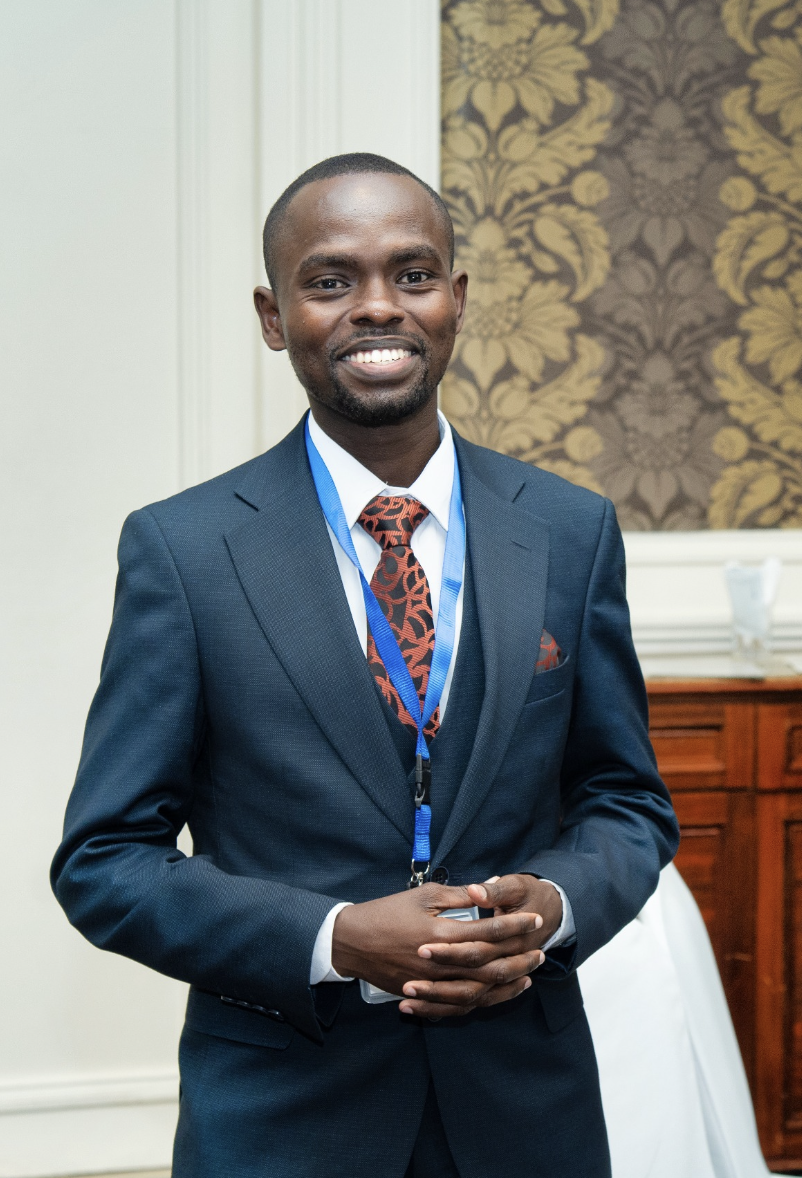
Chairperson, Multi-Stakeholder Group Kenya
“We did not come to protest or cast blame. We came together in honesty, humility, and prayerful reflection to confront these hard realities and seek genuine solutions.”
Director
“Economic policies must preserve human dignity. Our role as faith leaders is to offer ethical guidance and build bridges, not walls.”
Secretariat, Multi-Stakeholder Group Kenya
“Kenya's 17 million TikTok users are not a distraction. They are an economic catalyst waiting to be pointed at a national challenge.”
FROM DIALOGUE TO ACTION
For each of the twelve themes, concrete policy actions are assigned to responsible actors, with clear delivery horizons.
Debt Management
Table a Pending Bills Settlement Plan before Parliament within 60 days.
GovernmentDebt Management
Treasury to officially respond to Auditor General findings on the Ksh 30B Eurobond diversion.
GovernmentBanking Reforms
CBK to enforce its new risk-based loan pricing framework immediately.
Government / CBKPending Bills
Establish a Pending Bills Verification Commission with a 90-day mandate.
GovernmentFaith & Community
Faith leaders to begin integrating debt management literacy into weekly programmes.
Faith SectorYouth Empowerment
Launch a national digital skills audit for youth aged 18 to 35.
Government / PrivateFuel & Energy
Commission a feasibility study for Kenya's first strategic petroleum reserve.
GovernmentTaxation
Publish a full register of all current tax exemptions and waivers with their annual cost.
GovernmentAnti-Corruption
Gazette mandatory public asset declaration verification procedures.
GovernmentPermanent Council
Draft the KNEC Bill for public stakeholder consultation.
Government / Civil SocietyTHE OFFICIAL DOCUMENT
Towards Economic Resilience, Sustainability and Shared Prosperity in Kenya
The complete Memorandum contains all twelve thematic sections, verified data, international case studies, and the full list of signatories.
Download the MemorandumIN PARTNERSHIP WITH
GET IN TOUCH
Reach out to the Multi-Stakeholder Group Kenya team, whether you want to join the coalition, share a policy position, or partner with us.